
Environmental factors, everyday use, and subtle structural movement can all affect how a lock performs. Across Wolverhampton and nearby areas like Willenhall and Codsall, these gradual changes are one of the most common causes of lock issues we see. Understanding what affects lock performance can help you prevent unexpected failures and avoid unnecessary emergency callouts.
Why Locks Deteriorate Gradually
Locks rarely fail without warning. In most cases, there are early signs that something is starting to change. Internal components wear down through repeated use, while external factors such as temperature shifts and door alignment changes add additional strain.
Because deterioration happens slowly, many homeowners adapt without realising it. You may start lifting a handle slightly higher or applying extra pressure to lock a door without noticing that the mechanism is under stress. Over time, these small changes increase the likelihood of sudden failure.
The Effect of Weather on Lock Mechanisms
Weather plays a bigger role in lock performance than most people realise. Seasonal changes affect both the lock itself and the door it sits in.
Cold temperatures can cause metal components to contract slightly, increasing friction inside cylinders and multi point mechanisms. This is why locks often feel stiffer in winter. In contrast, warmer weather can cause expansion, which may lead to tighter locking points and increased pressure on internal components.
Moisture is another major factor. Rain and humidity can work their way into external locks, particularly on older doors or exposed properties. Over time, this can lead to corrosion inside the mechanism, reducing smooth operation and long term reliability.
Across Wolverhampton’s mix of modern and older housing stock, these seasonal effects are very common and often overlooked until performance noticeably declines.
Everyday Wear and Tear on Internal Components
Even in ideal conditions, locks experience gradual mechanical wear. Every time a key is inserted and turned, small internal parts such as pins and springs move under tension. After years of daily use, this repetitive motion naturally leads to fatigue.
Worn components may not fail immediately but can start to lose precision. This often shows up as a lock that feels slightly rough or inconsistent. Many homeowners assume this is normal ageing, but it is often the early stage of a preventable failure.
Keys themselves also play a role. A worn or slightly bent key can increase internal friction and accelerate wear inside the cylinder. Replacing a tired key early can sometimes extend the life of the lock significantly.
Door Movement and Alignment Changes

One of the most common causes of lock strain is not the lock itself but the door alignment. Properties naturally shift over time due to seasonal expansion, ground movement, and general settling.
Even small shifts can affect how smoothly a lock engages. Multi point locking systems, particularly on uPVC doors, are especially sensitive to alignment changes. If a door drops slightly or the frame moves, extra pressure is placed on the locking mechanism.
Timber doors can also warp due to moisture and temperature changes. In areas with older housing, this is a frequent cause of locks becoming stiff or unreliable during colder months.
Because these changes happen gradually, many homeowners only notice the issue once locking becomes noticeably harder.
Early Warning Signs Your Lock Is Under Stress

Recognising early symptoms can prevent bigger problems later. Many lock failures are preceded by subtle changes in how the door or key feels.
Common warning signs include:
-
A key that feels tight or rough when turning
-
Handles becoming harder to lift
-
Doors needing pressure to lock properly
-
Clicking or grinding noises inside the mechanism
-
Slight misalignment between door and frame
If you notice any of these changes, it is usually a sign that the lock or door alignment needs attention before further damage occurs.
Why Small Lock Issues Should Not Be Ignored
Minor lock problems rarely resolve themselves. In fact, they almost always worsen over time. A stiff lock today can easily become a snapped key or full mechanism failure in the future.
This is especially true with multi point locking systems, where ongoing strain can lead to gearbox failure. What starts as a simple adjustment can eventually turn into a full lock replacement if left unresolved.
From a security perspective, worn locks may also provide reduced resistance against forced entry. Addressing small issues early not only prevents inconvenience but also maintains the overall security of your home.
Preventative Steps to Extend Lock Lifespan
There are simple steps homeowners can take to reduce wear and improve reliability over time.
Basic preventative measures include:
-
Using proper lock lubricant rather than oil based sprays
-
Avoiding force when a key feels stiff
-
Keeping external locks protected from excess moisture
-
Replacing worn keys before they damage the cylinder
Small maintenance habits can make a noticeable difference in how long a lock continues to perform smoothly.
When to Call a Local Locksmith
While some minor maintenance can be handled at home, ongoing stiffness or alignment issues are best assessed professionally. A qualified locksmith can identify whether the issue lies with the cylinder, mechanism, or door alignment itself.
For homeowners in Wolverhampton and surrounding suburbs, using a local locksmith also means faster diagnosis and familiarity with common regional housing types. Many properties share similar door styles, which makes early intervention quicker and more effective.
In many cases, a simple adjustment or minor component replacement can prevent a future emergency callout.
The Value of Preventative Security Checks
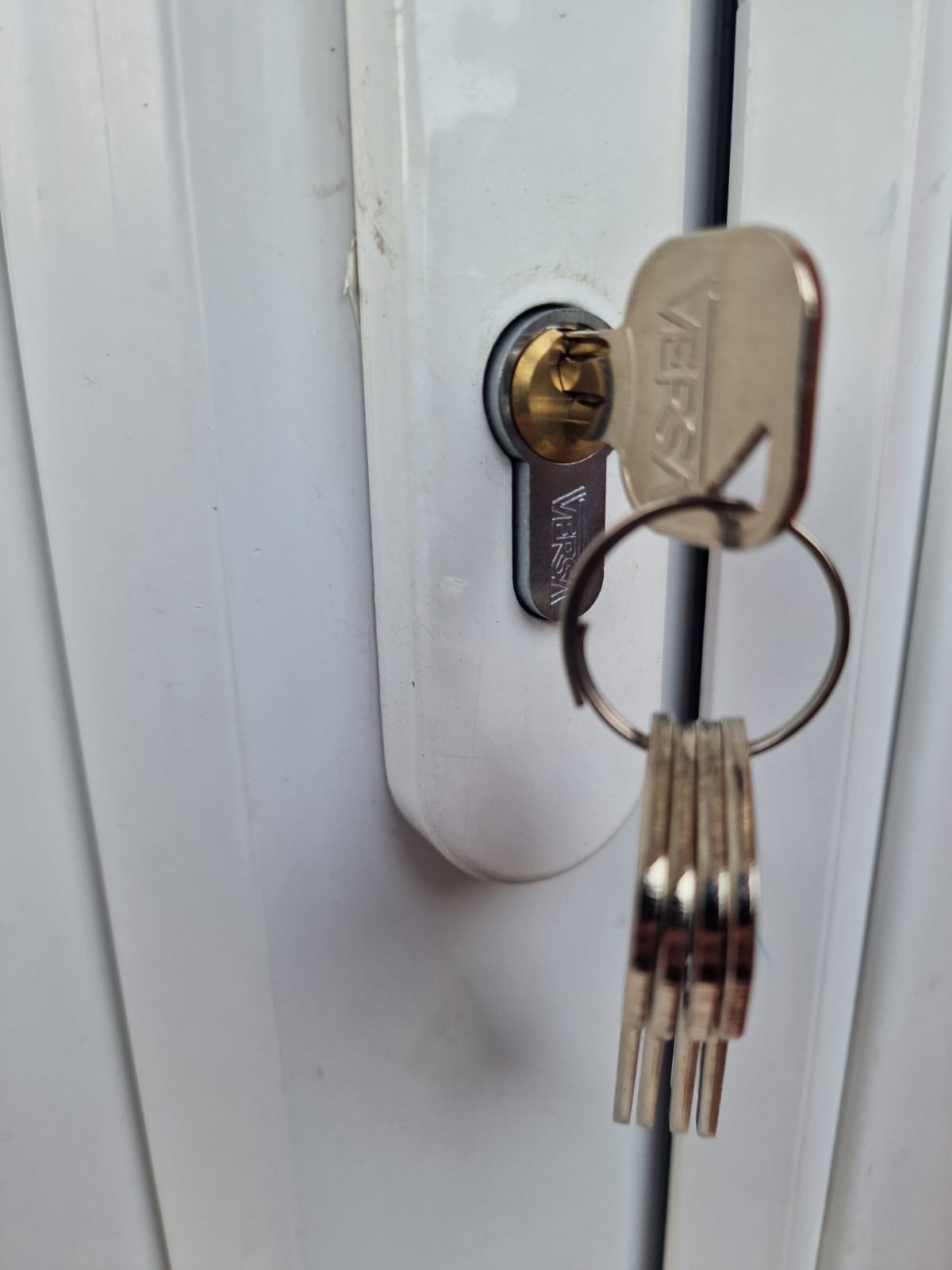
Routine lock inspections are often overlooked but can provide long term benefits. A quick professional check can identify early signs of wear that may not be obvious during everyday use.
For homeowners near the Wolverhampton HQ area, preventative checks are particularly valuable because they allow issues to be resolved before they escalate into lockouts or full replacements. This proactive approach helps maintain both convenience and security without unnecessary expense.
Regular servicing is especially useful for:
-
Older locks nearing the end of their lifespan
-
Frequently used doors such as front entrances
-
Properties exposed to harsh weather conditions
A small preventative step today can often avoid a larger issue later.
Final Thoughts
Lock performance is influenced by more than just age. Weather changes, everyday wear, and natural door movement all play a role in how reliably a lock operates over time. Because these factors develop gradually, many homeowners do not realise there is a problem until failure occurs.
By paying attention to early warning signs and taking preventative action, you can significantly extend the lifespan of your locks and reduce the risk of unexpected issues. This is particularly important in areas like Wolverhampton, where a mix of property types and seasonal weather patterns can accelerate wear.
If your locks are becoming harder to use or your door no longer feels aligned, addressing the issue early is always the best approach. A small adjustment today can prevent a stressful lockout tomorrow and ensure your home remains secure year round.
Frequently Asked Questions
Contact JR Locksmiths Today
Getting the problem checked early by a wolverhampton locksmith, this can save money, prevent lockouts, and restore your peace of mind.
Visit our homepage or contact page to get in touch.
For more general home security guidance, you can also visit gov.uk's crime prevention advice.
